Why we created these courses
Thousands of people picked up running with no coach, no baseline testing, and no context for what their body was doing. Years later, a lot of those same people have the same knee.
The observation
Gyms closed. Routes opened. Between 2020 and 2021, a large number of people started running for the first time, often building mileage faster than their tissues were prepared for. Social media filled the gap that a coach or a running club might otherwise have filled.
Some of that advice was reasonable. Much of it was a single idea, stripped of context, repeated until it sounded like a rule. "Land on your midfoot." "Never heel strike." "Stretch before you run." Simple statements travel well online. Nuance does not.
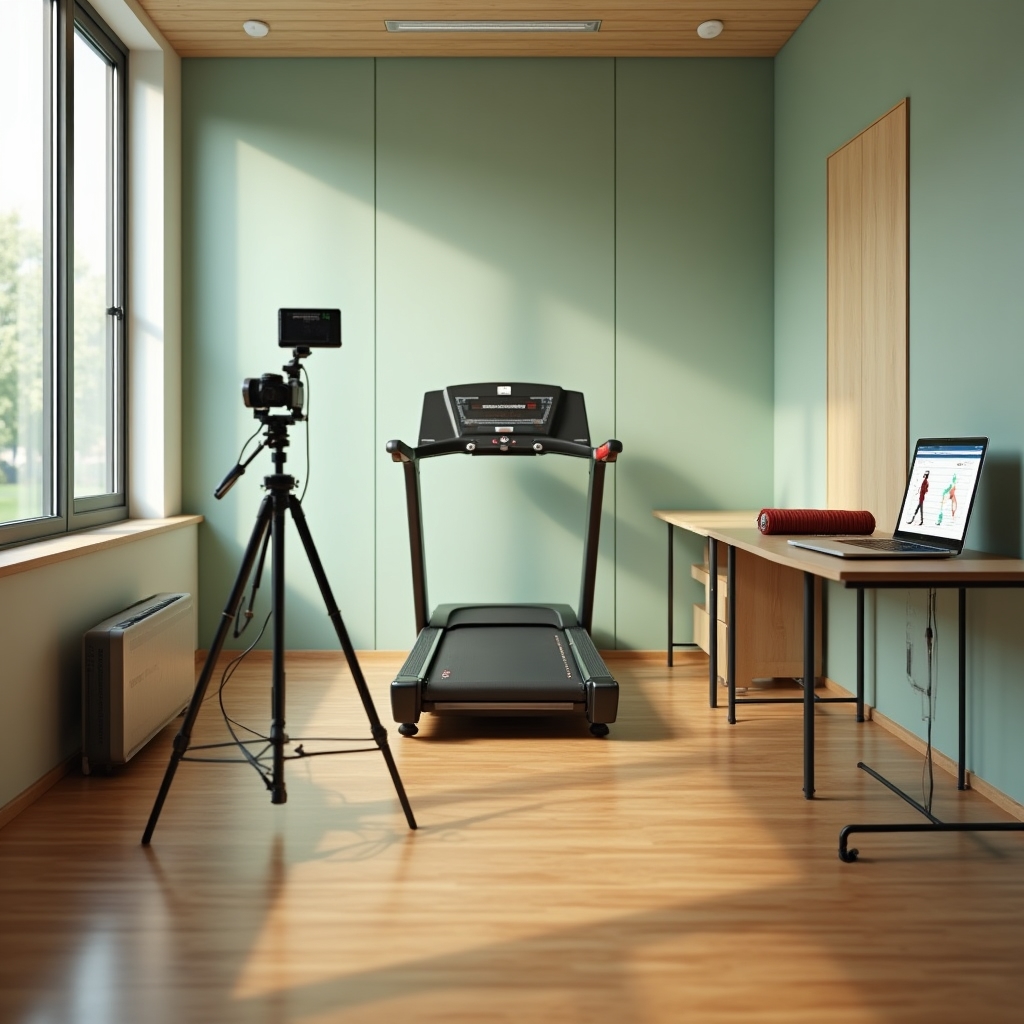

Where the knee comes in
Anterior knee pain in recreational runners is a frequently studied topic in sports medicine research, often linked to training load, cadence, and joint mechanics rather than a single cause like "bad form." Yet online explanations tend to collapse a multi-factor problem into one villain: your shoes, your heel strike, your lack of stretching.
This course does not replace a clinical assessment. It gives you the background research that clinicians and biomechanists actually draw on, so that if you do see a professional, you understand the conversation. And if you do not, you at least understand your own stride better than a fifteen-second video allowed.

Who built this
The course was built by someone whose training sits in sports biomechanics research: motion capture, ground reaction force analysis, and gait studies rather than clinical rehabilitation. That distinction shapes everything here. The material explains mechanisms rather than prescribing treatment.
It also means the course stays close to what published research actually says, including where that research disagrees with itself. Heel striking is a useful example: the literature is genuinely mixed, and the course says so rather than picking a side for the sake of a clean answer.
See the research this draws onWhat guides the material
Where research is mixed, the course says so instead of manufacturing certainty.
Explanations point to what is actually being measured in biomechanics studies.
No assumptions about elite training history or prior clinical knowledge.
No diagnosis, no treatment plans. Information you can bring to your own decisions.
The full breakdown, including what each session covers, is on the programme page.
How the Programmes Work